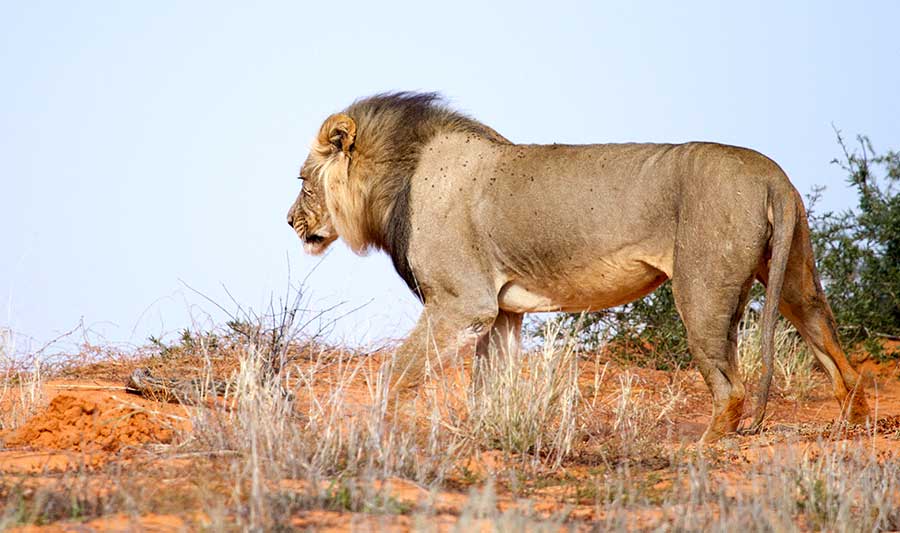
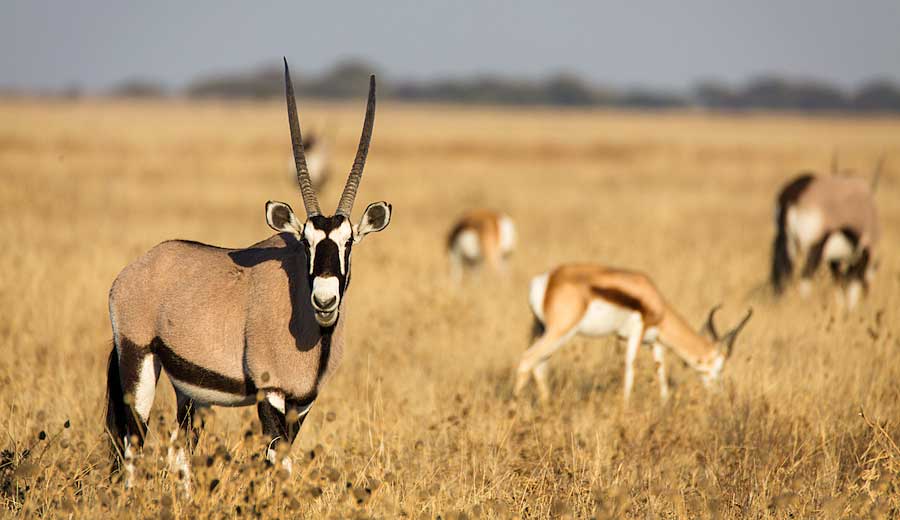
Botswana’s Central Kalahari is a vast expanse of endless skies and diverse wildlife. Following summer rains hundreds and thousands of gemsbok, springbok and wildebeest come to feed. This in turn attracts the predators such as the Black Maned Lion.
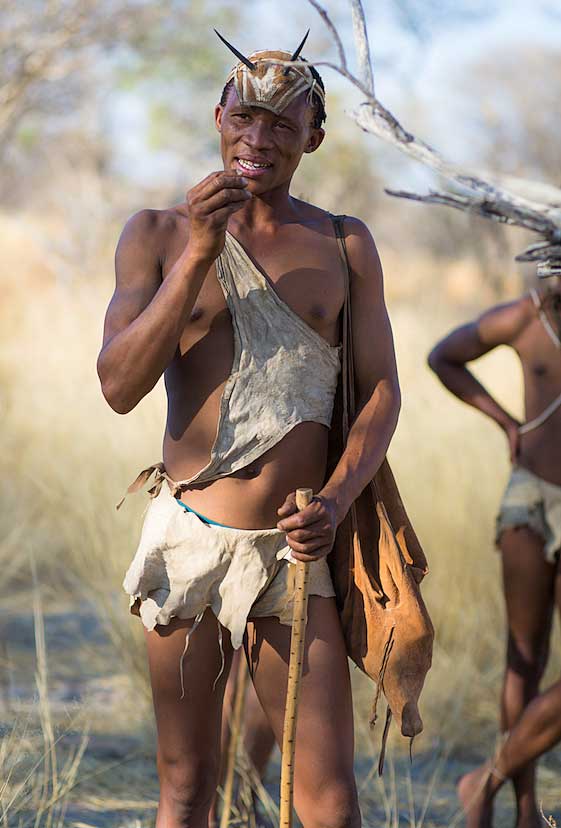
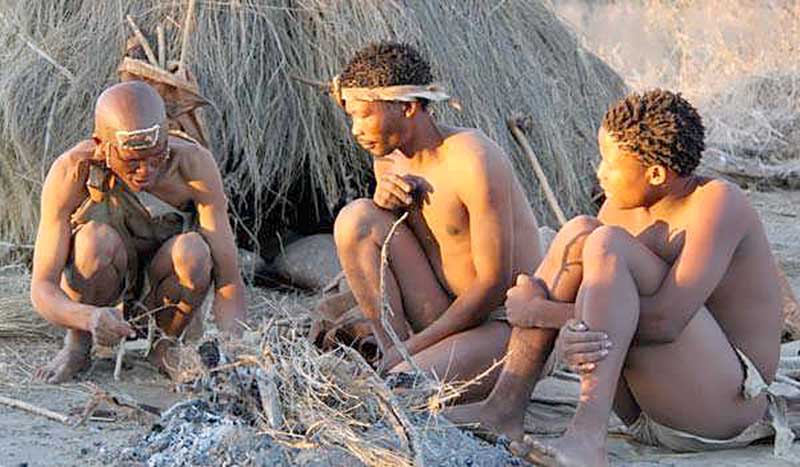
The Central Kalahari is the world’s second largest wildlife sanctuary and the largest in southern Africa. It is also home to the San Bushmen, one of the oldest cultures in Africa. Animal species in the reserve include eland, giraffe and hartebeest.
Did you know that the name “Kalahari” comes from the Tswana word “Kgala” (Kgalagadi). Meaning great thirst or a waterless place, the Kalahari is very aptly named.
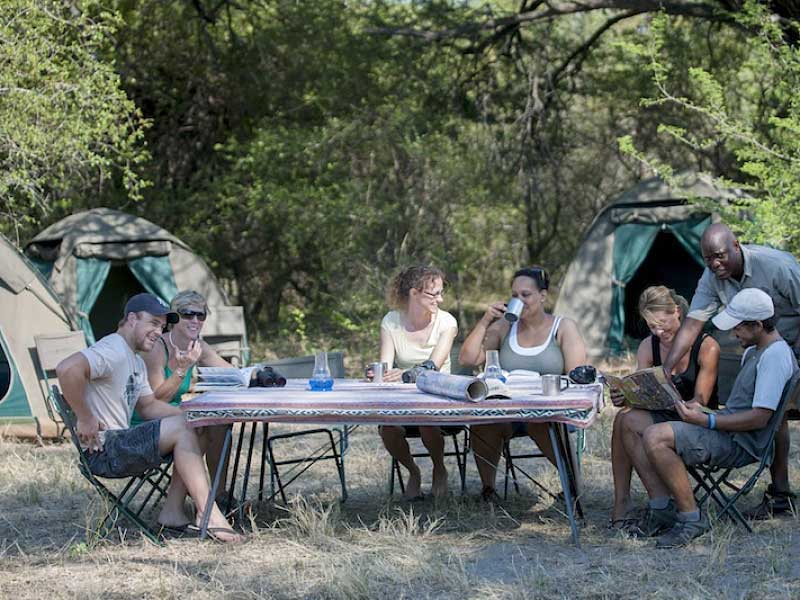
Kalahari camping safari is a 6 Night adventure camping safari in the Kalahari Desert. This safari provides a unique opportunity and insight into the culture and history of the Kalahari’s oldest inhabitants.
Experience the Kalahari desert with the wildlife and breath taking scenery and learning the traditional lifestyle of the San Bushmen.
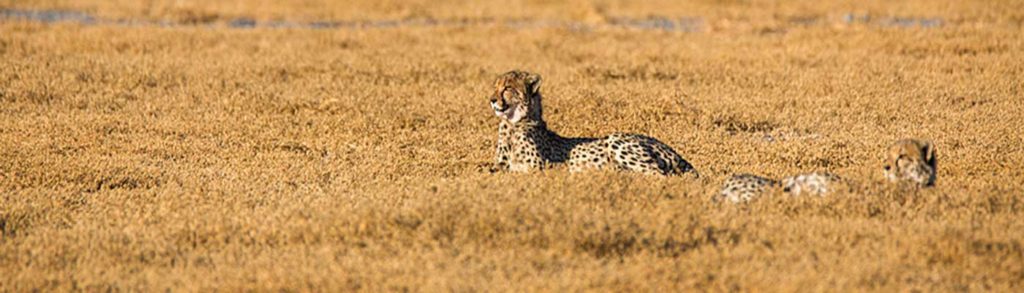
In the Kalahari you can expect to find cheetah, springbok, gemsbok, bat eared foxes as well as wildebeest, eland, hartebeest and giraffe.
Rates 2024 per person sharing Euro 1, 460 low season / Euro 1, 490 high season
Seasons Low : Jan to June, November, December High : July to October
The Kalahari mobile camping safari takes you into the heart of Africa and has been designed to offer an insight into the lives of the San Bushmen Throughout the safari you will learn about the culture and history of the Kalahari’s oldest inhabitants. Experience beautiful scenery on nature walks with the Bushmen Get to know bush knowledge from the San as they teach you about their way of living
For the adventure enthusiast, the Kalahari safari is ideal as the tour takes you to a remote wilderness where water and communications are limited
Wake up with the sun in the largest game reserve in Botswana, Central Kalahari. This is the second largest wildlife reserve in the world Here you will discover the fossilized river valleys of Passarge Valley and Deception Valley
The northern region of the game reserve is particularly noted region for its dense concentrations of antelope. With the onset of the rains, new life comes to the dry land. Now lush grasses appear and a time of birthing for many antelope species is taking place.
This annual phenomena attracts the predators from lion to cheetah and jackal.